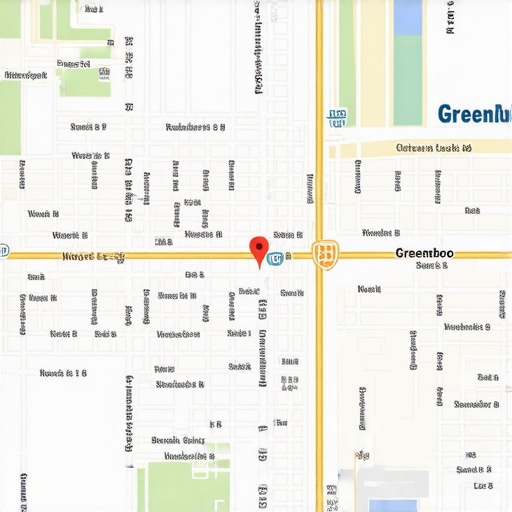
I remember the moment I realized my business was invisible online. I had a decent storefront, but when someone searched for my services in Greensboro, my competitors were showing up at the top of Google Maps, and I was nowhere to be found. It was frustrating, almost embarrassing, because I knew I was doing all the right things offline. But digital visibility? That was a different story. It felt like shouting into the void.
Why Local Maps Matter More Than Ever
In 2024, over 70% of consumers look for local businesses online before making a decision, according to recent research. That means if your business isn’t optimized on Google Maps, you’re missing out on a huge chunk of potential customers. And here’s the kicker—local SEO isn’t just about having a listing; it’s about *optimizing* that listing to stand out. When I first started, I made the mistake of assuming just listing my business was enough. Turns out, neglecting details like correct categories, photos, and reviews can sabotage your efforts. Want to avoid that pitfall? I’ll show you how to do it right.
Is Maps Optimization Overhyped? Does It Really Make a Difference?
Early on, I wondered if all this fuss about Maps Optimization was just marketing hype. I thought, “Does spending hours on it really matter?” Well, after a few months of tweaking my profile, I watched my visibility grow. My phone started ringing more, and I gained new local clients. That’s when I realized the real value lies in strategic optimization. According to experts, proper Maps Optimization can boost your local rankings significantly—sometimes by more than 50%—which directly impacts foot traffic and sales. For more detailed strategies, check out this guide.
If you’ve ever felt overwhelmed or skeptical about investing time into your Maps listing, you’re not alone. I’ve been there, too. But the truth is, ignoring this powerful tool means leaving money on the table. Ready to learn the top strategies to dominate Greensboro’s local search results? Let’s dive in and turn your Google Maps presence into your biggest asset in 2024.
Claim and Verify Your Business Listing
The first step I took was claiming my Google My Business (GMB) profile. It’s like putting your flag in the ground—it confirms to Google that your business is legitimate. I went to this page for detailed instructions. After claiming, I verified my listing through the postcard method, which took about two weeks. During that period, I kept my information consistent everywhere to avoid confusion.
Optimize Business Information for Clarity and Accuracy
Next, I meticulously filled out every section—business name, categories, address, phone number, and hours. Think of this as setting clear signposts for both Google and potential customers. I used the primary category that best described my service, then added relevant secondary categories. To ensure consistency, I checked that my NAP (Name, Address, Phone) matched my website and other listings, which is crucial for local SEO success. For in-depth insights, I referred to this comprehensive guide.
Leverage Photos and Videos to Stand Out
Photos made a significant difference in engagement. I uploaded high-quality images of my storefront, products, and team. I also added a short intro video, which helped humanize my brand. Remember, visuals are like the storefront window—they attract attention. When I updated my visuals regularly, I saw an uptick in clicks and calls. Use natural lighting and showcase your unique selling points to create a compelling visual story.
Gather and Manage Customer Reviews
Reviews are social proof that build trust. I reached out to happy customers asking them to leave reviews on my GMB profile. I responded promptly to all reviews, positive or negative, demonstrating that I value customer feedback. When I received a negative review, I addressed the issue professionally, which sometimes turned a dissatisfied customer into a loyal one. For strategies on review management, check this resource.
Utilize Google Posts and Q&A Effectively
Google Posts allowed me to promote special offers and updates directly on my profile. I posted weekly updates, which kept my listing fresh and engaging. The Q&A section was another opportunity—I answered common questions to clarify my services and improve customer experience. These active elements signal to Google that my profile is active, boosting visibility. Think of it as maintaining a lively storefront that attracts walk-in traffic.
Build Local Citations and Backlinks
Consistency across local directories like Yelp, Bing Places, and industry-specific sites strengthened my local SEO. I ensured my NAP details were uniform and updated. Additionally, I sought backlinks from local blogs and partners to increase my authority. These backlinks are like votes of confidence to Google, helping my business rank higher in local searches. For tailored strategies, visit this article.
Monitor Performance and Adjust
Finally, I used Google Insights and third-party tools to track how my listing performed. I paid attention to search queries, customer actions, and call metrics. Regularly reviewing these insights allowed me to tweak my profile—adding new photos, updating hours for holidays, or responding to reviews promptly. Continuous optimization is key to staying ahead in Greensboro’s competitive local market.
Implementing these strategies transformed my local online presence. If you want to dive deeper, explore this ultimate guide for even more actionable tips.
Many business owners believe that simply claiming and filling out their Google My Business (GMB) profile is enough to dominate local search results. However, this is a dangerous misconception. The real nuance lies in understanding what most people overlook—advanced optimization strategies that can make or break your visibility. For instance, a frequent mistake is neglecting to update and optimize your profile regularly. Static profiles quickly become irrelevant, especially when competitors actively manage their listings. Search engines favor active and engaging profiles, so make sure to post updates, respond to reviews, and add fresh photos consistently. This ongoing effort signals to Google that your business is lively and trustworthy, boosting your rankings.
Another common myth is that reviews are just social proof. While reviews do build credibility, their strategic use can significantly impact your local SEO. Many overlook the importance of review keywords—encouraging satisfied customers to mention specific services or products in their reviews can help Google associate your business with those keywords. Additionally, responding professionally to negative reviews is often underestimated. A well-crafted response demonstrates your commitment to customer satisfaction and can even convert dissatisfied customers into loyal patrons.
Let’s talk about a sneaky trap: over-optimization. It’s tempting to stuff your business categories, keywords, and tags with everything imaginable, thinking it will boost your ranking. But this can backfire. Google’s algorithms are increasingly sophisticated and penalize overly optimized profiles—what’s known as “keyword stuffing.” Instead, focus on relevant, accurate categories and natural language in your descriptions. This aligns with Google’s evolving understanding of context and intent, helping your profile rank higher without risking penalties.
Now, for the advanced question: How can I leverage local citations without risking inconsistency? The answer is to maintain NAP (Name, Address, Phone) consistency across all directories and citations. Discrepancies, even minor ones, can confuse Google and dilute your authority. Use tools or services that audit your listings regularly, ensuring uniformity. Plus, prioritize high-authority local directories and industry-specific sites to amplify your profile’s trustworthiness.
Research from Moz indicates that citation consistency is a key factor for local rankings—more than many realize. Making sure your citations are correct and uniform is a foundational yet often neglected step that can unlock significant improvements in your local search visibility.
Have you ever fallen into this trap? Let me know in the comments. Staying aware of these nuances can help you avoid common mistakes and truly maximize your local SEO efforts. For a comprehensive deep dive, check out this ultimate guide to local SEO strategies.
How do I keep my local SEO efforts effective over time?
Maintaining your local SEO momentum requires the right tools and a consistent routine. I personally rely on a combination of specialized software and strategic practices to ensure my business stays visible on Google Maps and other local directories.
One essential tool I use is Local SEO tracking platforms. These tools help me monitor my rankings, review trends, and identify new opportunities. For example, BrightLocal offers comprehensive local rank tracking, citation audits, and review management, which are crucial for ongoing success.
Another platform I swear by is Moz Local. It automates citation management and ensures NAP consistency across all directories. This consistency is vital because even minor discrepancies can hurt your rankings. Regular audits with Moz Local or similar services prevent outdated or conflicting information from slipping through.
When it comes to reviews, I use reputation management tools like GatherUp to solicit reviews from satisfied customers and respond promptly. This ongoing engagement keeps my profile active and signals to Google that my business is trustworthy.
Content updates are also critical. I schedule weekly Google Posts and add new photos periodically. For content scheduling, I use tools like Hootsuite or Buffer, which help me plan and automate posts, saving me time and ensuring consistency.
Looking ahead, I predict that AI-powered insights will become more integral in local SEO management. Tools that analyze search behavior and suggest optimization tweaks will make it easier to stay ahead of competitors.
If you’re serious about long-term success, I recommend implementing a routine that includes regular citation audits, review management, and content updates. For a step-by-step process, check out this comprehensive guide.
Ready to take your local SEO to the next level? Start by trying one of these tools today and see how much easier maintaining your visibility becomes.
The Hardest Lesson I Learned About Maps Optimization
One of the biggest surprises I faced was realizing that claiming my Google My Business profile was just the beginning. I used to think that just filling out the basic information would do the trick, but I learned the hard way that continuous engagement—like posting updates and responding to reviews—is what truly pushes your business forward on local maps. This taught me that persistence and active management are key to long-term visibility.
Myths About Local SEO That Might Be Holding You Back
I once believed that reviews were simply social proof. However, I discovered that strategically encouraging customers to mention specific keywords in their reviews can significantly boost your rankings. Additionally, I was skeptical about backlinks, but I found that building local citations and ensuring NAP consistency across directories can dramatically improve your local search presence.
What I Wish I Knew Before Diving Into Maps Optimization
Over-optimizing categories and keywords seemed tempting, but I learned that Google’s algorithms now favor natural, relevant descriptions. Keyword stuffing can actually hurt your rankings. Instead, focus on accuracy and relevance. Also, using tools like Moz Local to audit your citations saved me from costly mistakes caused by inconsistent NAP details.
How Small Changes Made a Big Difference
Updating my photos regularly and adding engaging videos transformed my profile’s engagement. Small visual updates made my business appear more active and trustworthy, ultimately leading to increased calls and visits. These minor tweaks can have a surprisingly large impact on local visibility and customer trust.
Leave a Reply