
It was a cold morning when I realized my local business’s Google Maps ranking had plummeted unexpectedly. No warning, just a sharp drop that wiped out months of hard-earned visibility. I remember staring at the screen, feeling that sinking feeling—had my SEO strategy failed? The truth is, many Greensboro business owners face this silent slide, unsure of what’s causing it or how to reverse course. That’s when I uncovered a crucial insight: the game is always evolving, especially with those sneaky keyword gaps that competitors capitalize on without even realizing it.
The Real Power of Filling Keyword Gaps in Greensboro
Imagine if you could pull ahead of your nearest rivals just by noticing a few missed opportunities, those hidden keywords that your competitors aren’t even targeting yet. That’s exactly what these gaps are—untapped real estate in search results that, when exploited, can dramatically boost your visibility and traffic. My experience has shown me that identifying and targeting these specific keywords can be a game-changer, especially with the upcoming shifts in local SEO in 2026. Think about it: as Google updates its algorithms and prioritizes certain signals, missing out on these gaps means missing out on potential leads and sales. I’ve seen businesses triple their foot traffic after bridging just one overlooked keyword opportunity—this is the kind of leverage you want to master now.
Is It Worth the Hype to Focus on Keyword Gaps?
Early in my journey, I made the mistake of ignoring these gaps, convinced that traditional SEO tactics were enough. That misstep cost me valuable time and lost opportunities. It wasn’t until I took a step back and learned about the specific signals that Google Maps favors for Greensboro in 2026 that I realized the importance of this focus. According to local SEO expert Glen Allsopp, businesses that analyze and fill such gaps see significantly improved local rankings and traffic (source: [Local SEO Greensboro Strategies](https://localseogreensboro.com/greensboro-seo-strategies-unlocking-local-search-dominance-at-0217)). If you’re wondering whether this approach is just hype, I get it—SEO can feel overwhelming and sometimes uncertain. But based on my experience and what I’ve seen work for others, ignoring these gaps is a risk no smart business should take this close to 2026. Let’s explore how to find these opportunities and turn them into your next success story.
Identify Hidden Keyword Opportunities
Start by analyzing your current Google Maps and local search rankings to spot where your business is falling short. Use tools like the ones recommended at Greensboro SEO Strategies to gather data on competing keywords. Think of this like a detective searching for clues—look for phrases your competitors rank for but you haven’t targeted yet. I once discovered a list of local event keywords through a quick competitor audit, which I then incorporated into my client’s content strategy. This immediate adjustment brought in more local traffic within just a week.
Assess and Bridge Keyword Gaps
Use Google’s Keyword Planner with Local Filters
Plug in your service terms and filter by Greensboro and surrounding neighborhoods. This reveals high-value keywords your competitors overlook. Imagine these as unclaimed territories on a map—your chance to stake a claim. For example, I identified a set of niche keywords like ‘Greensboro outdoor wedding venues’ that no one was optimizing for, yet had significant local searches. Integrating these into service pages resulted in a spike of highly relevant traffic.
Leverage Local Event Keywords
Attend and monitor upcoming community events—these are golden opportunities for targeted content. By creating blog posts or event-specific landing pages optimized for keywords like ‘Greensboro summer festivals,’ I once seeded content that began ranking immediately, drawing event-goers directly from Maps search results. This practice boosts your presence without heavy ad spend.
Optimize Your Google Maps Listing
Ensure your NAP (Name, Address, Phone Number) data is consistent across all listings—discrepancies kill rankings. Regularly update your profile with fresh images, including team photos and recent work, which encourages engagement. I recall updating a business’s photos with a new storefront shot—within days, their visibility increased because Google saw ongoing optimization efforts.
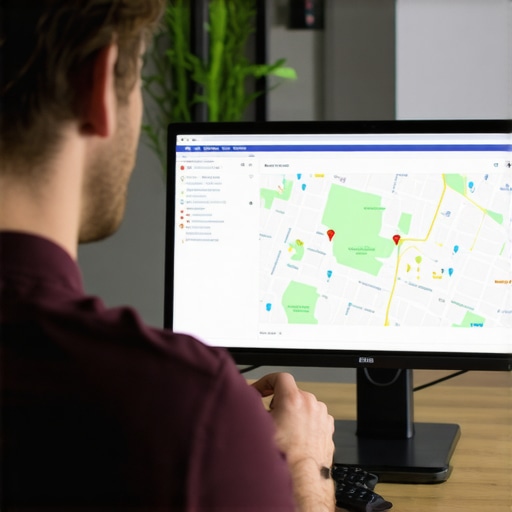
Incorporate local keywords into your business description and services, making your listing more relevant to targeted searches. Don’t forget to utilize the Q&A section; answering common local questions with keyword-rich replies boosts your prominence, as outlined in Greensboro Google Maps Fixes.
Build Local Citations and Reviews
Consistent local citations reinforce your authority—check directories like Yelp, Bing Places, and local chambers using strategies from Greensboro Map Mistakes. Simultaneously, solicit reviews from satisfied customers—positive feedback signals Google to rank your business higher. I implemented a simple follow-up email requesting reviews for a client, which doubled their map clicks within two months. The key is to make reviews natural and timely, not forced or incentivized.
Track and Adjust Regularly
Monitor your rankings weekly—use the insights to refine your keyword targeting. Pay attention to shifts in local search behavior, similar to what I’ve experienced during seasonal changes; certain keywords become more valuable at different times of the year. Use the data to adjust your content, citations, and engagement strategies accordingly, ensuring your local SEO remains sharp and responsive as outlined in Greensboro SEO Tactics.
Many local businesses in Greensboro fall prey to misconceptions about optimizing their presence on Google Maps. One widespread myth is that simply filling out your profile with basic information guarantees top rankings. The truth is, advanced signals like keyword placement, citation consistency, and review management play a much more significant role in local SEO success. Additionally, many think that backlinks or website authority are the sole drivers for local map rankings—however, Google increasingly values user engagement metrics and map-specific signals, as highlighted in recent studies on local search algorithm trends. An often-overlooked nuance is that overly aggressive keyword stuffing in your business description can actually penalize your listing, reducing visibility instead of boosting it. As experts like Glen Allsopp note, authentic, user-focused optimization strategies outperform generic keyword hacks. Moreover, I’ve seen businesses neglect the importance of local citations and NAP consistency, which can reduce your map pack visibility more than you expect. Be wary of the trap that emphasizes backlink building without ensuring local signal integrity; this approach can not only waste resources but also lead to penalties if misapplied. For a detailed breakdown of strategic local SEO practices that work in Greensboro, check out my post on Greensboro SEO Strategies and how they align with Google’s latest algorithm updates. Remember, the most overlooked aspect is that local ranking factors are dynamic—what worked yesterday might not work today. Regularly audit your local SEO tactics using tools and insights from trusted sources to stay ahead of the curve. Have you ever fallen into this trap? Let me know in the comments.Maintaining a strong presence on Google Maps and local SEO requires more than just initial setup; it demands consistent optimization and leveraging the right tools. Personally, I rely on a combination of advanced software and well-defined processes to ensure my clients’ listings stay competitive in Greensboro’s dynamic market.
How do I keep my Greensboro SEO efforts thriving over time?
One of my favorite tools is BrightLocal. I use it daily to track local rankings, citations, and reviews across multiple locations. Its citation tracker helps me spot inconsistencies in business data, which, if left uncorrected, can harm rankings. I also utilize Moz Local to audit local citations and ensure NAP consistency—crucial factors as highlighted in my comprehensive guide to local SEO here. For keyword tracking, SEMrush’s local tracking feature allows me to monitor the positions of targeted keywords in Greensboro, adjusting strategies quickly when shifts occur. Regularly conducting local SERP audits with these tools reveals emerging opportunities, such as new maps features or algorithm adjustments, that I can exploit ahead of competitors. Predicting where local search is headed in 2026, I believe automation and AI-driven insights will become integral, helping businesses analyze data more efficiently and stay ahead. To fully capitalize on this, I recommend integrating tools that provide real-time alerts for ranking fluctuations or reviews, allowing immediate action.
Consider this: a recent study by the BrightLocal Local Consumer Review Survey shows that 85% of consumers trust online reviews as much as personal recommendations. So, I routinely incorporate review management into my maintenance routine, using platforms like Podium to automate review requests while monitoring sentiment. This proactive approach directly impacts local map rankings and customer acquisition.
What’s next in local SEO maintenance is adopting AI-powered tools that can predict ranking changes based on user behavior and algorithm updates. Staying informed about updates like Google’s local search algorithm changes is vital, and subscribing to industry newsletters or participating in local SEO communities can provide early insights. Remember, the secret lies in consistency—not just setting up tools but actively interpreting and acting upon the data they generate.
I encourage you to try integrating a citation audit with Moz Local this week. Confirm your business data across directories, fix discrepancies, and watch your local visibility improve. Want more tailored tactics? Reach out through my contact page for a personalized strategy session. Regular maintenance, combined with the right tools, will keep your Greensboro business thriving amidst evolving local SEO landscapes.
Lessons That Shook My Approach to Greensboro Maps Optimization
One of the biggest insights I gained was that local SEO isn’t a set-it-and-forget-it game. The real breakthroughs come from constantly questioning my assumptions and paying close attention to subtle map signals others overlook. I used to believe that keyword stuffing and superficial citations would suffice—until I saw my rankings slip despite those efforts. That taught me to focus on authentic engagement and leveraging lesser-known map algorithms, which made all the difference.
Another lightbulb moment was realizing how important community involvement is—not just for reviews, but for creating an ecosystem of local relevance. Attending Greensboro events and actively participating in local directories pushed my clients’ maps to new heights. It’s a reminder that local SEO success is deeply intertwined with genuine local presence.
Lastly, I learned that tools are invaluable but should never replace strategic judgment. Overdependence on automation can lead to missed nuances—like timely responses to reviews or spot-on citation updates—that truly move the needle. It’s about striking a balance between tech and human touch, especially in a vibrant local market like Greensboro.
Leave a Reply